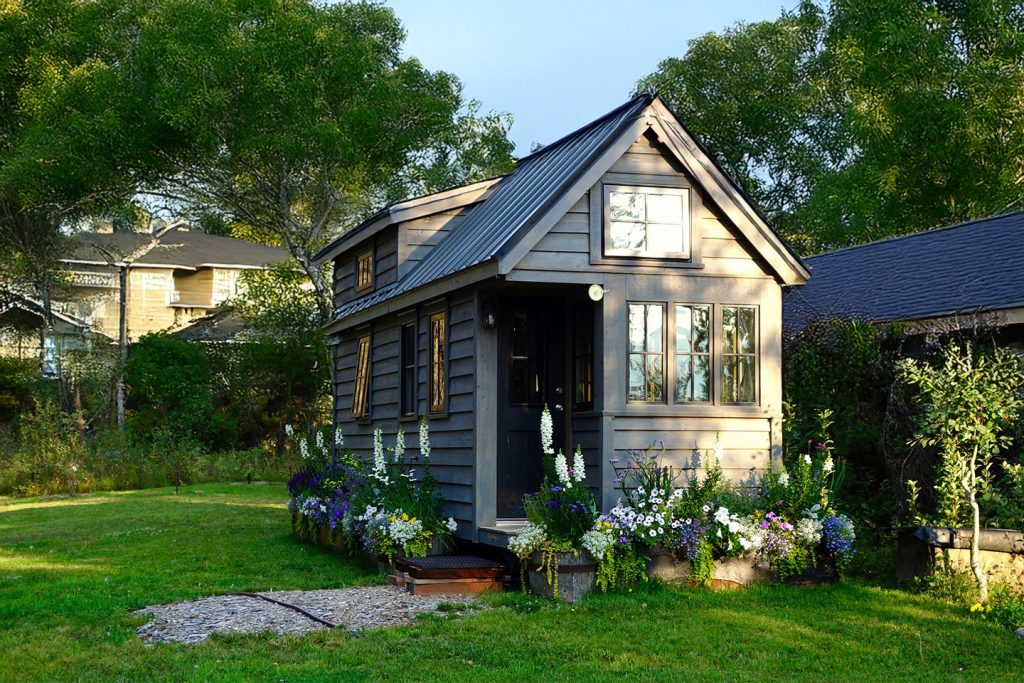
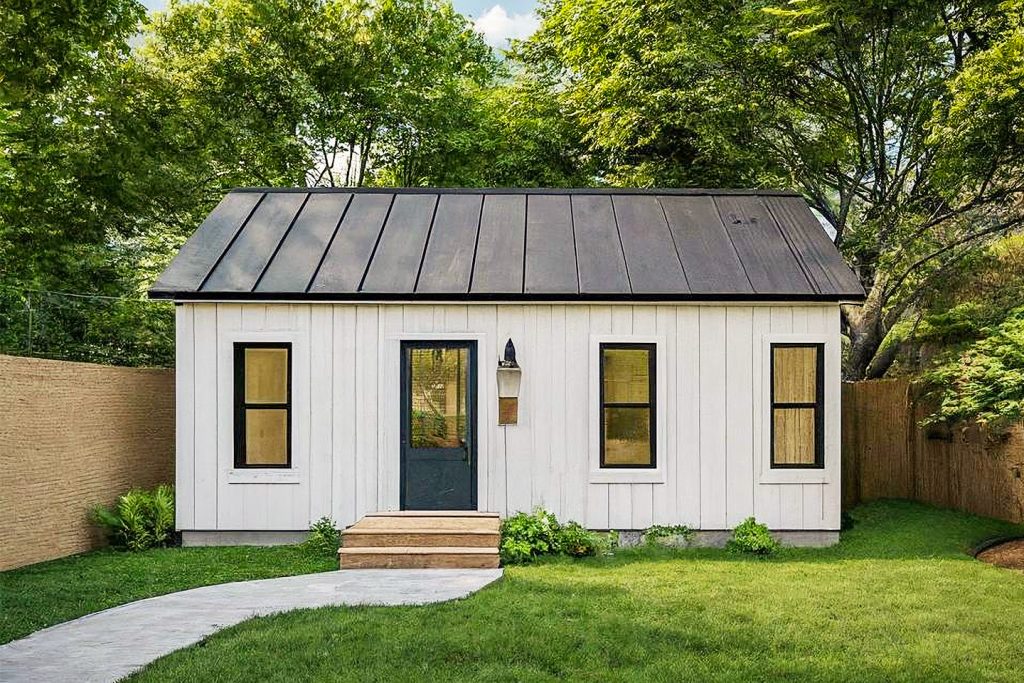
You may be looking at a garage conversion, a backyard cottage, or a narrow side-yard build and asking the same hard question every ADU owner hits early. How do you make a small footprint live well every day, not just look good in photos?
That question matters because an ADU usually has to do more than one job. It might house family now, work as a rental later, and still need to feel comfortable enough for long-term use. In a small home, every decision carries extra weight. A few inches lost to a bad layout, a poorly placed door, or shallow storage adds up fast.
Strong adu interior design ideas start with function. The goal is to make the space feel open, store more than its size suggests, and hold up under daily wear. The practical side is less glamorous but far more important. Clear circulation, built-in storage, durable finishes, and furniture sized for the room make the difference between a unit that feels efficient and one that feels cramped.
I approach ADU interiors as a balancing act between design ambition and real constraints. Budget, code requirements, utility runs, rental durability, and resale value all affect what belongs in the plan. Companies like CozyCube apply the same logic in real projects, especially in compact layouts such as a studio tiny house floor plan, where each zone has to earn its square footage.
The ideas in this guide are organized around three lenses for each decision: the design goal, the practical way to execute it, and the business context behind it. That gives you more than inspiration. It gives you a framework for choosing what will practically work in a small ADU.
Table of Contents
- 1. Open Floor Plans with Smart Zoning
- 2. Multifunctional and Built-In Furniture
- 3. Vertical Storage and Wall-Mounted Solutions
- 4. Light, Color, and Aesthetic Cohesion
- 5. Efficient Kitchen Layouts and Compact Appliances
- 6. Smart Bathroom Design for Small Spaces
- 7. Sustainable Materials and Eco-Friendly Finishes
- 8. Flexible and Convertible Spaces
- ADU Interior Design: 8-Point Comparison
- Your ADU, Perfectly Designed
1. Open Floor Plans with Smart Zoning
Open layouts usually work best in ADUs because walls consume more than square footage. They also consume light, sightlines, and furniture options. In compact homes, a single room that handles living, dining, and kitchen functions often feels better than three undersized rooms that each feel compromised.
That doesn't mean everything should float aimlessly. The strongest small-space interiors stay open while still telling you where each activity belongs.
Use openness, then define it
A peninsula counter is one of the easiest zoning tools. It gives the kitchen a clear edge, creates prep space, and often adds seating without needing a separate dining table. In a studio, that same peninsula can visually separate cooking from sleeping better than a freestanding island.
Furniture should also create zones instead of lining the walls. A sofa with its back to the bed area, a rug under the seating group, and a pendant over a table can define use without closing the room.
Practical rule: In a small ADU, every divider should earn its footprint through storage, seating, work surface, or privacy.
Pocket doors and sliding panels can help, but they aren't always the right answer. They work well when you need occasional privacy. They work poorly when wall cavity conditions, hardware access, or code constraints make them fussy to build and maintain. In garage and basement conversions especially, preserving flexibility and compliance often matters more than chasing a trendy partition idea, as noted in this discussion of ADU interior constraints and code realities.
How CozyCube applies it
A builder like CozyCube can use this approach early, before finishes distract from layout quality. That usually means placing plumbing and kitchen walls efficiently, then shaping the rest of the room around circulation and sightlines. Their studio tiny house layouts are a useful reference for how open-concept planning can support compact living without making the interior feel undefined.
For homeowners, the trade-off is simple. Open plans make a unit feel larger, but only if the room still has structure. If everything is visible at once, clutter also becomes visible at once. That's why zoning and storage always need to be designed together.
2. Multifunctional and Built-In Furniture
A small ADU fails fast when each activity needs its own piece of furniture. Add a bed, a sofa, a desk, a dining table, and a dresser to one compact room, and circulation tightens before the unit is even fully furnished. The fix is straightforward. Choose pieces that handle more than one job, then reserve custom built-ins for the spots standard furniture never fits well.

Make furniture earn its footprint
The design goal is simple: keep the room open without giving up daily function. In practice, that means judging every piece by what it does at 8 a.m., 2 p.m., and 10 p.m., not just how it looks in a staged photo.
A Murphy bed with an integrated desk works because it solves a real scheduling problem. The floor area serves work or living during the day, then converts to sleeping at night. A banquette with storage below can handle dining, provide hidden space for bulky items, and reduce the need for extra chairs elsewhere in the unit.
Built-ins also let awkward architecture start pulling its weight. Alcoves, under-window zones, short wall runs, and stair cavities rarely suit off-the-shelf furniture. Custom millwork can turn those leftover spaces into drawer storage, a compact office niche, or a bench that also acts as a landing spot for bags and shoes.
A few combinations consistently justify their cost:
- Bed platforms with drawers: More usable than loose bins that disappear under a frame.
- Window seats with lift-up storage: Good for bedding, luggage, or backup household items.
- Kitchen islands with seating and cabinets: Useful when one surface needs to prep food, serve meals, and store cookware.
- Fold-down desks: Best for part-time computer use, admin work, or guest use. Less successful for full-time setups with dual monitors and lots of equipment.
Where the trade-offs show up
Built-ins usually improve layout efficiency, but they are not automatically the right choice. They cost more upfront, they lock in a floor plan, and they need to be detailed carefully around outlets, ventilation, and door swings. Freestanding furniture gives more flexibility if the ADU may shift between rental, guest house, and multigenerational use.
That trade-off matters. A rental ADU often benefits from durable, easy-to-understand storage and sleeping solutions that hold up to turnover. A backyard office or family suite may justify more custom millwork because the routines are predictable and the owner plans to keep the unit configured the same way for years.
From a business standpoint, disciplined design adds value. Companies such as CozyCube usually get better results when furniture planning happens during layout development, not after construction. A wall bed needs clearance. A bench needs a realistic seat depth. A built-in desk needs task lighting and power placed before drywall closes. Those decisions are inexpensive on paper and costly in the field.
Here's a useful benchmark video if you're considering a wall bed or convertible layout:
Poorly converting furniture causes problems quickly. If a sofa bed takes two hands, a full room reset, and somewhere to dump the cushions, occupants stop opening it. If under-seat storage requires unloading the whole bench first, it turns into dead space.
Good multifunctional furniture feels easy to use every day. That is the true test. In a well-designed ADU, convenience matters as much as square footage.
3. Vertical Storage and Wall-Mounted Solutions
A common ADU problem shows up fast. The room looks fine at move-in, then bags, towels, dishes, chargers, and cleaning supplies start claiming floor space because there is nowhere else for them to go. Wall storage fixes that pressure if it is planned around daily use instead of added as decoration after the fact.
That matters in small units. Independent market research says 54% of new ADUs are under 800 square feet, so every square foot has to work harder without making the interior feel crowded.
Store upward with a clear use pattern
Good vertical storage protects circulation first. A full-height pantry can replace two or three base cabinets. A recessed medicine cabinet frees up vanity space. A rail with hooks near the entry can handle bags, jackets, and keys better than a deep cabinet that steals elbow room.
Height alone is not the strategy. Placement is.
Daily-use items belong where a person can grab them without a stool or awkward reach. Backup supplies can sit higher. Rarely used items can go near the ceiling if the cabinet depth is controlled and the doors are easy to open. Once every shelf becomes overflow space, the wall starts reading as clutter and the room feels smaller.
Wall storage should reduce friction in a routine. If reaching one item means shifting three others, the layout needs work.
Open shelving and closed cabinetry each solve a different problem. Open shelves keep frequently used items visible and can lighten a compact kitchen or office wall. Closed storage hides the visual mess that builds up in real life, especially in rental ADUs or family suites where storage habits vary from one occupant to the next. The strongest layouts usually mix both.
A practical hierarchy keeps the system usable:
- Low and easy to reach: everyday dishes, toiletries, chargers, keys
- At eye level: pantry backups, office supplies, towels
- High storage: extra bedding, seasonal items, archived paperwork
The business side is straightforward. Companies such as CozyCube usually plan wall-mounted storage during framing, electrical, and cabinet layout, because blocking, outlet locations, sconce heights, and appliance clearances all affect what can hang on a wall. That early coordination avoids the expensive version of the same problem later: a shelf that conflicts with a window trim, a TV wall with no power in the right place, or a tall cabinet that makes the room feel top-heavy.
In practice, the best wall-mounted solutions do three jobs at once. They get belongings off the floor, keep the unit easier to maintain, and make a small ADU feel intentional instead of improvised.
4. Light, Color, and Aesthetic Cohesion
A small ADU can feel settled and spacious, or busy and cramped, even when the square footage is identical. The difference often comes down to visual control. Too many finish changes, sharp color shifts, or poorly placed light sources break the room into smaller pieces, and small rooms rarely benefit from that.

Keep the visual field calm
The design goal is simple. Let the eye travel without interruption.
In practice, that usually means limiting the main palette to two or three core finishes and repeating them throughout the unit. Light wood flooring, one wall color, and one cabinet tone are often enough to create continuity from living area to kitchen to sleeping zone. Contrast still matters, but it should show up in smaller moves such as hardware, textiles, art, or a single darker accent.
Light plays the same role. A single ceiling fixture can make an ADU feel flat and underplanned. Better results come from layering light by task and time of day. Use ambient lighting to brighten the room, task lighting where work happens, and a sconce or lamp to soften the space at night. That mix improves function, but it also changes how large the unit feels because corners stay visible and surfaces read more clearly.
Mirrors help only when they reflect something worth repeating. A window, a brighter wall, or a clean sightline can make the room feel wider. A mirror facing a cluttered counter or exposed utility area does the opposite.
Choose finishes for real use, not listing photos
Many ADUs shift between family housing, guest use, and long-term rental. That changes the finish strategy. Materials need to hold up, stay easy to maintain, and still feel cohesive after a year of daily use.
Some of the best-looking choices in photos are not always the best-performing ones in a compact home. Open shelving can make a kitchen feel airy, but it asks the occupant to keep every dish and pantry item visually tidy. Bright white paint reflects light well, yet warmer off-whites usually wear better and feel less stark in the evening. Glossy cabinet fronts bounce light around the room, but matte or satin finishes tend to hide fingerprints and minor scratches more effectively.
This is also where cohesion supports the business case. A well-coordinated ADU photographs better, rents more confidently, and feels more complete to a future tenant or family member. For owners refining adjoining spaces, CozyCube's tiny home kitchen design guide shows how finish continuity between kitchen and living areas keeps a compact layout from feeling chopped up.
CozyCube's role here is usually less about decoration and more about coordination. Flooring transitions, cabinet finishes, trim profiles, fixture temperatures, and paint colors all need to be selected together. Handle those decisions early, and the ADU feels intentional. Leave them to separate purchases over time, and even expensive materials can look mismatched.
5. Efficient Kitchen Layouts and Compact Appliances
A bad kitchen layout can ruin an otherwise smart ADU. The room may look clean in renderings, but if there's no landing space near the sink, no pantry logic, or no place for trash and recycling, daily use gets irritating fast.
Compact kitchens need clarity more than they need bells and whistles.
Shrink the footprint, not the function
Galley kitchens often outperform more decorative layouts in ADUs because they keep movement tight and efficient. A single-wall kitchen can work too, but only when there's enough counter length and nearby storage to support it. U-shaped kitchens can be excellent in compact footprints if the clearances stay comfortable and the corners are handled well.
Compact appliances help, but they're only useful when they solve a real planning problem. A narrower refrigerator can free up room for a pantry. An induction cooktop can simplify the layout and reduce visual bulk. Combination appliances can save space, but only if their capacity matches actual use.
For homeowners exploring details, CozyCube's tiny home kitchen design guide gives a practical sense of how small kitchens can still feel complete.

How CozyCube approaches compact kitchens
In real projects, the strongest ADU kitchens usually share a few traits:
- Continuous counter runs: Chopped-up surfaces feel smaller and work worse.
- Drawer storage instead of deep lower shelves: Easier to access in tight spaces.
- Integrated waste storage: Better than a freestanding trash can stealing floor area.
- A clear prep zone: Even a small uninterrupted section matters.
A compact kitchen feels generous when the essentials are easy to reach in one turn, not when it's packed with features.
What doesn't work is over-designing for occasional scenarios. If the ADU is likely to be occupied by one or two people, prioritize everyday cooking, cleanup, and storage. Don't sacrifice the whole plan just to force in a full-size appliance package that dominates the room.
6. Smart Bathroom Design for Small Spaces
A small ADU bathroom reveals every planning mistake fast. The room gets used hard, often by guests, renters, aging parents, or full-time occupants, so layout errors show up in daily routines, cleaning time, and long-term wear. Good bathroom design starts with one goal: make the space easy to move through and easy to maintain.
That usually means treating clearance as the first design decision, not the last. A vanity that looks compact in a showroom can still pinch circulation once the door opens. A shower curb can interrupt movement more than expected. In conversions, existing plumbing lines, ceiling drops, and structural walls often limit fixture placement, so the smartest plan is usually the one that works cleanly with those constraints instead of fighting them.
Build around function, then refine the look
Floating vanities, wall-hung toilets where feasible, and recessed medicine cabinets help preserve visual openness because they keep more floor and wall area readable. The trade-off is cost and installation complexity. Wall-mounted fixtures can improve the room, but they require the framing and plumbing depth to support them. In many ADUs, a shallow floor-mounted vanity with good drawer organization is the more practical choice.
Showers need the same discipline. A clear glass enclosure keeps sightlines open, but only if the glass stays clean and the room has strong ventilation. In some rental or high-use ADUs, a simple, durable shower setup with fewer metal joints and easier-to-replace parts performs better over time. Recessed niches are still one of the best moves in a tight bath because they add storage without stealing elbow room.
A few details tend to improve small bathrooms consistently:
- Large mirrors: Better sightlines and more usable light at the sink.
- Drawer-based vanity storage: Easier access than a deep cabinet in a tight footprint.
- Slip-resistant flooring: Safer under wet conditions and better for multigenerational use.
- Humidity-sensing exhaust fans: Lower moisture buildup and reduce maintenance issues.
- Curbless or low-threshold showers where appropriate: Better access and a cleaner visual line.
The design goal is simple. Make the room feel calm and work well every day. The practical side is less glamorous: choose fixtures that fit real clearances, finishes that tolerate moisture, and storage that keeps counters from turning into clutter zones. The business context matters too. Builders like CozyCube usually get better long-term results by specifying durable, low-fuss materials and layouts that serve different occupants over time, which aligns with the broader shift described in CozyCube's article on how tiny homes are shaping the future of sustainable living.
If the ADU may need to support aging in place, guest use, or caregiving, plan for that early. Wider entries, straightforward fixture placement, good lighting at the mirror, and a shower that does not require awkward stepping all improve usability without making the room feel clinical.
For CozyCube or any careful builder, the best small bathroom is one that stays comfortable after the novelty wears off. It should clean up quickly, resist moisture problems, and let people use it without bumping into the architecture.
7. Sustainable Materials and Eco-Friendly Finishes
A sustainable ADU interior has to survive real life in a small footprint. One scuffed floorboard, one chipped cabinet edge, or one finish that traps odors stands out faster in 500 square feet than it does in a full-size house. Material choices affect air quality, cleaning time, repair frequency, and how the space feels after a year of daily use.
The design goal is straightforward. Reduce environmental impact without creating a fragile interior.
That starts with finishes that hold up. Low-VOC paint improves indoor air quality. Durable flooring with a repairable surface cuts replacement waste. Cabinet boxes made from low-emission materials are usually a better long-term choice than flashy finishes over weak substrates. Reclaimed wood, bamboo, cork, and recycled-content counters can all work, but only if they match the unit's use pattern. A rental ADU needs different wear tolerance than a backyard office used three days a week.
Material selection becomes more technical. Bamboo is hard and attractive, but product quality varies a lot. Cork is comfortable underfoot and quieter, but it needs the right sealer and is a poor fit for heavy dragging loads. Reclaimed wood adds character, though it often moves more than new stock and needs careful detailing around gaps, splinters, and finish consistency. “Eco-friendly” is not enough on its own. In practice, the better question is whether a material can be maintained, repaired, and still look good after years of compact, high-contact use.
The business case is practical, not abstract. Owners already make tight cost decisions on ADUs, especially in prefab and modular projects where efficiency drives many of the early choices. In that context, spending a little more on finishes that last longer and off-gas less often pays back through fewer replacements, fewer tenant complaints, and less turnover work between occupants.
CozyCube applies this idea in a grounded way. A careful builder narrows the palette to materials that are available, budget-aware, and proven in small-space living, rather than handing owners a long list of trendy “green” options that may not perform well. That approach also fits the broader thinking in CozyCube's article on how tiny homes are shaping the future of sustainable living.
One rule I come back to often is simple. The most sustainable finish is usually the one you will not need to replace soon.
That means choosing washable paint over delicate wall treatments in high-touch zones, specifying hardware finishes that can age gracefully, and avoiding surfaces that demand special cleaners or constant resealing unless the client fully accepts that upkeep. In a small ADU, sustainability works best when it is built into the finish schedule, not added as a label at the end.
8. Flexible and Convertible Spaces
A common ADU scenario starts with one plan and changes fast. The unit is set up for a parent, then used as a home office and guest space, then leased to a long-term tenant a year later. Interiors that can shift with those changes hold up better than rooms built around a single use.
That flexibility matters because ADUs often serve family needs and income goals at different points. As noted earlier, owner use patterns are mixed. Good planning should assume the room may need to work harder later.
Design for changing use
The design goal is simple. Let one footprint support more than one routine without feeling temporary.
In practice, that means choosing elements that change function without forcing a remodel. A Murphy bed can turn the main room back into living space during the day. A drop-leaf table can handle daily meals, laptop work, and occasional guests without taking over circulation. In a one-bedroom ADU, a niche near a window can work as a desk zone now and a compact sleeping area later if power, lighting, and wall clearance are planned correctly from the start.
Privacy is usually the hard part. Sliding panels and pocket doors can work well, but only if the hardware is durable, the wall cavity is accessible, and sound control is good enough for real use. In many ADUs, a ceiling-mounted curtain, a partial-height millwork divider, or a freestanding shelf does the job with fewer maintenance issues and lower cost.
Plan the room for more than one layout
The strongest flexible-space decisions are usually invisible during a walkthrough, but they make the unit easier to live in over time:
- Place outlets where a sleeping area could later become a desk zone
- Keep enough clearance around the bed for a second furniture arrangement
- Choose tables and seating based on daily use, not occasional overflow
- Build storage that works for both personal belongings and tenant turnover
- Use lighting in layers so the same room can support rest, work, and dining
These choices protect the room from becoming awkward after the first occupant leaves.
There is also a business case. A highly specialized layout can narrow the pool of future users and create update costs that feel unnecessary in a small unit. A flexible layout gives owners more options, whether the ADU is used for family, guests, or rental income, and that optionality has real value when needs change.
CozyCube applies this principle at the planning stage, not as an afterthought. The shell, electrical plan, storage locations, and furniture strategy need to support multiple room setups before construction starts. That is how a compact ADU stays useful for longer and avoids the expensive pattern of redesigning the interior every time life changes.
ADU Interior Design: 8-Point Comparison
| Strategy | 🔄 Implementation Complexity | ⚡ Resource Requirements | ⭐ Expected Outcomes | 📊 Ideal Use Cases | 💡 Key Tips |
|---|---|---|---|---|---|
| Open Floor Plans with Smart Zoning | Medium, layout planning; minimal structural changes | Low–Medium, furniture, lighting, finishes | Improves perceived space and daylight distribution | Studio/1‑bed ADUs; rentals prioritizing openness | Use islands/peninsulas, layered lighting, pocket doors |
| Multifunctional and Built-In Furniture | High, custom design and installation | High, cabinetry, hardware, professional labor | Maximizes storage and usable functions; raises value | Tiny homes, storage‑limited ADUs, high‑value rentals | Plan storage categories, choose modular pieces, quality hardware |
| Vertical Storage and Wall-Mounted Solutions | Low–Medium, mounting and stud work | Low–Medium, shelving, anchors, organizers | Frees floor area; improves organization and perceived height | Narrow entryways, kitchens, bathrooms, living rooms | Locate studs, leave 30–40% empty, use baskets and adjustable shelves |
| Light, Color, and Aesthetic Cohesion | Low, selections and lighting plan | Low–Medium, paint, fixtures, flooring | Creates airy, larger feel; boosts appeal and perceived quality | All ADUs; staging for rental/ resale | Use warm LEDs, dimmers, continuous flooring, mirrors |
| Efficient Kitchen Layouts and Compact Appliances | Medium–High, cabinetry/plumbing coordination | Medium, compact appliances, specialized hardware | High day‑to‑day functionality; strong rental/sales appeal | ADUs with full kitchens; frequent cooks in small footprints | Optimize work triangle, choose 24" appliances, use pull‑outs |
| Smart Bathroom Design for Small Spaces | Medium–High, plumbing, ventilation, waterproofing | Medium, fixtures, exhaust fans, waterproof materials | Functional, durable bathrooms; better hygiene and accessibility | ADUs requiring full baths; accessible units | Use wall‑mounted fixtures, large mirrors, exhaust with humidity sensor |
| Sustainable Materials and Eco‑Friendly Finishes | Medium, sourcing and certification verification | Medium–High, certified materials, sometimes higher cost | Improved IAQ, lower utilities, market differentiation | Eco‑conscious homeowners, premium rentals | Verify certifications, calculate lifecycle costs, source locally |
| Flexible and Convertible Spaces | Medium, hardware and reconfiguration planning | Medium, murphy/sofa beds, movable walls, modular furniture | Versatile rooms; future‑proofed layouts; broad market appeal | Studios, multigenerational ADUs, home‑office hybrids | Use durable hardware, provide conversion guides, address acoustics |
Your ADU, Perfectly Designed
The best adu interior design ideas usually look modest on the surface. A well-placed peninsula. A bench with storage. A bathroom niche. A clear lighting plan. A kitchen that doesn't waste motion. None of those choices sounds dramatic by itself, but together they determine whether a small unit feels cramped or calm.
That's the central truth of ADU design. You're not trying to shrink a standard house. You're building a compact living environment that has to work harder, cleaner, and more flexibly than a larger home. Every decision has a ripple effect. Change the kitchen layout and you affect circulation. Add built-ins and you may reduce clutter across the whole unit. Pick too many finishes and the space feels busy before anyone even moves in.
The strongest interiors also respect the ADU's intended purpose. Some owners need a long-term home for family. Some want a guest space that can convert later. Others need a durable rental. Research and guidance both point to that mix of motivations, which is why the most successful interiors don't chase novelty first. They prioritize everyday use, resilience, privacy, and adaptability.
That's also why trade-offs matter. Open plans feel larger, but they demand better storage. Built-ins can be worth it, but only when they solve a real problem. Light palettes help, but not if the materials are too delicate. Flexible spaces are valuable, but only if conversion is simple enough that people will use it. Good design comes from choosing the right compromises early instead of paying for corrections later.
If you're planning a detached backyard unit, a garage conversion, or a compact rental, it helps to work with a team that understands both the design side and the practical side. CozyCube is one option for homeowners who want customizable ADUs and modular tiny homes with attention to space planning, finishes, and livability. That kind of support can be especially useful when the biggest design wins aren't flashy. They're hidden in layout decisions, storage strategy, and the way the unit handles daily life.
A well-designed ADU doesn't need to feel “small.” It needs to feel resolved. When every inch has a purpose, the whole home reads as intentional, comfortable, and worth the investment.
If you're ready to turn these adu interior design ideas into a real plan, CozyCube offers customizable ADUs and modular tiny homes designed around smart layouts, practical finishes, and efficient use of space. Explore their gallery, compare floor plans, or reach out to start shaping a unit that fits your property and the way you want to live.