Designing a tiny home offers a unique opportunity to create a functional and personalized space that maximizes every inch. Whether you’re building your tiny home from scratch or renovating an existing structure, it’s important to make smart design choices that make the most of your limited space. Here are 7 must-know tips for designing your dream tiny home.
1. Prioritize Functionality Over Aesthetics
While style and design are important, the most crucial aspect of tiny home living is functionality. Every square foot counts, so when designing your tiny home, think about how each space will be used. Consider multi-purpose furniture and built-in storage solutions that can serve more than one function, such as a dining table that doubles as a desk or a couch that converts into a bed. By maximizing functionality, you’ll ensure your tiny home remains comfortable and practical every day.
2. Use Vertical Space
In a tiny home, you need to think beyond the horizontal layout. Vertical space is your best friend. Install shelves, cabinets, and storage units that extend upwards to keep your living area clutter-free. Lofted sleeping areas can also help to free up valuable floor space for other uses, such as a living room or kitchen. Utilizing vertical space will help make your tiny home feel more spacious and organized.
3. Invest in Quality Materials
Because tiny homes are small, the materials you use will be more visible and noticeable than in a larger home. It’s essential to choose high-quality, durable materials that can withstand wear and tear. Opt for materials like hardwood floors, high-quality cabinetry, and sturdy countertops. These items may cost a little more upfront, but they will last longer and contribute to the overall aesthetic and functionality of your tiny home.
4. Maximize Natural Light
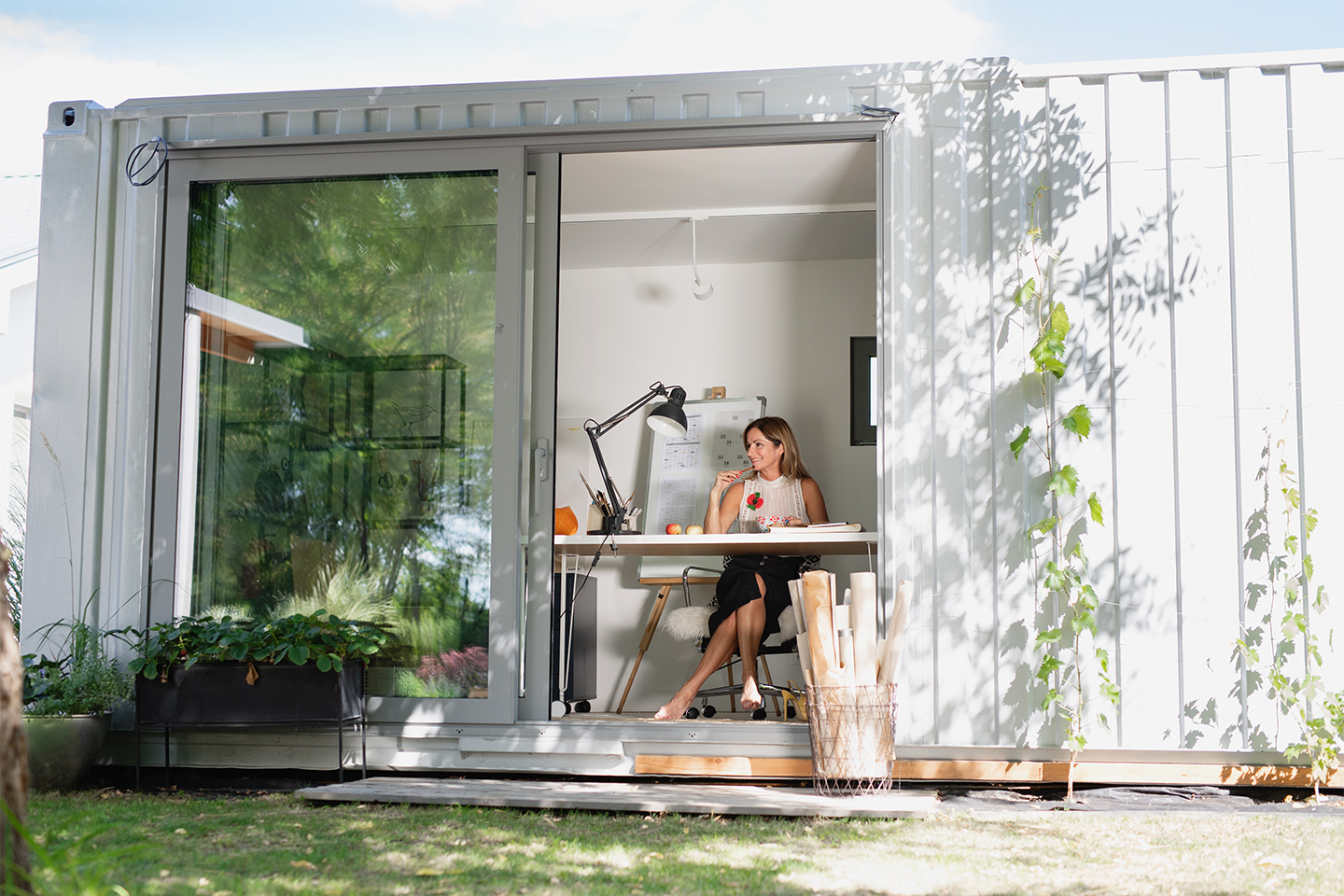
Natural light can make even the smallest of spaces feel airy and open. When designing your tiny home, incorporate large windows, skylights, or even glass doors to let in as much natural light as possible. Not only will this help brighten the space, but it will also help improve your mood and mental well-being. Additionally, strategic window placement can help with ventilation, ensuring that your home remains comfortable year-round.
5. Opt for Open Floor Plans
One of the most common features of tiny homes is the open floor plan. This design choice eliminates walls and barriers that can make small spaces feel cramped. By creating one continuous space, you’ll have more flexibility in how you use the area and can easily move between the different zones of your home. An open floor plan also helps to create a sense of flow, making the space feel bigger and more inviting.
6. Incorporate Smart Technology
Technology can be a game-changer when it comes to optimizing small spaces. Smart home devices, such as programmable thermostats, motion-sensor lights, and smart speakers, can make your tiny home more efficient and comfortable. Additionally, appliances like compact dishwashers, refrigerators, and washers/dryers can save space while still providing all the necessary functionality. Consider incorporating these smart technologies to make your tiny home even more convenient and sustainable.
7. Think About Storage Solutions
Storage is one of the most important aspects of tiny home design. Without sufficient storage, clutter can quickly build up and make your home feel chaotic. When designing your tiny home, think creatively about where to store your belongings. Use built-in storage under the bed, in the stairs, or behind walls. Hanging organizers and multipurpose furniture with hidden compartments can also provide extra storage without taking up valuable space. Be sure to plan for storage early in the design process to ensure everything has its place.