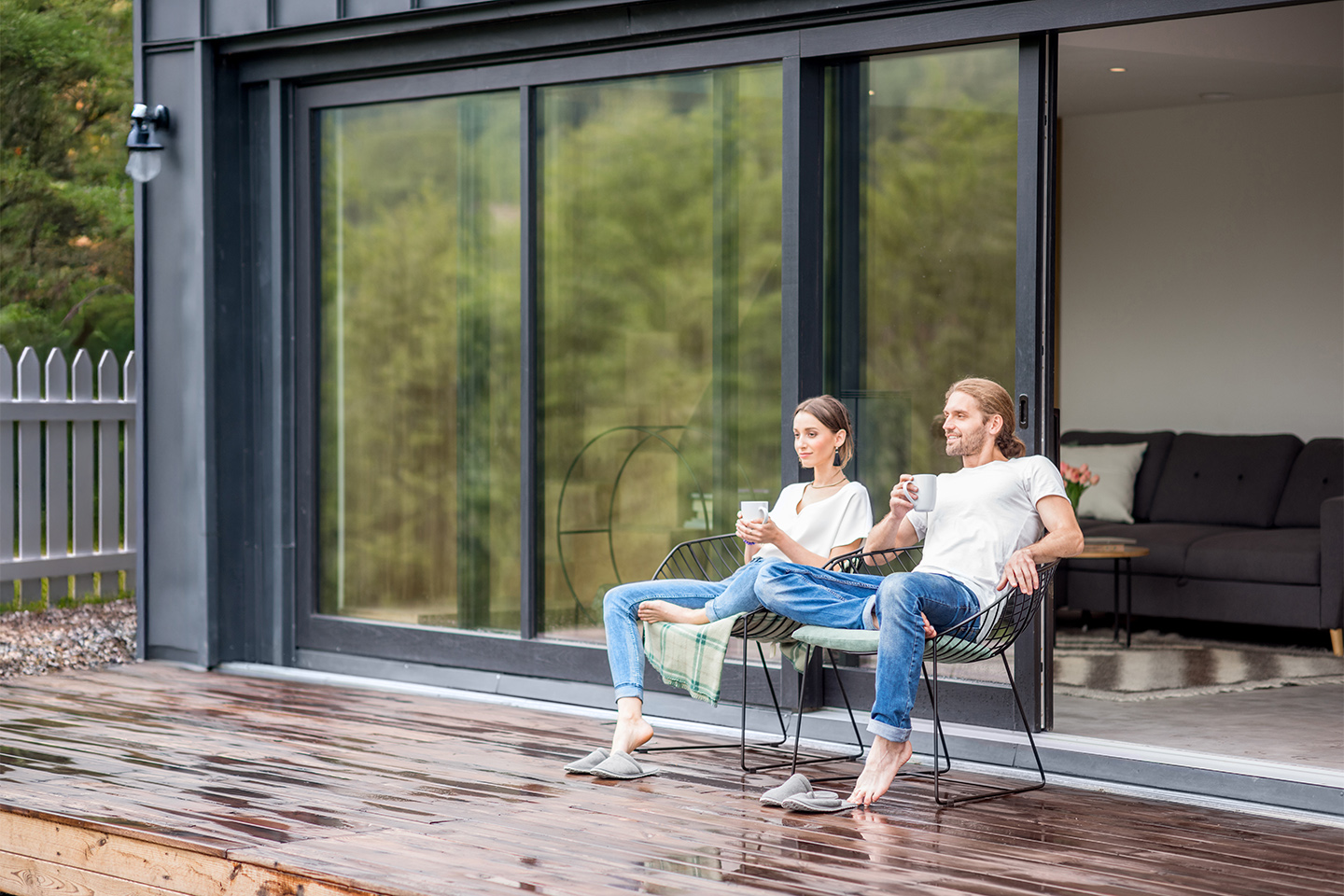
As concerns about climate change and environmental degradation grow, people are increasingly seeking ways to live more sustainably. Tiny homes, with their small footprint and efficient use of resources, are becoming a key part of this movement. By reducing energy consumption, minimizing waste, and promoting a simpler lifestyle, tiny homes are helping people make a big impact on the planet. Here’s how tiny homes are shaping the future of sustainable living.
1. Energy Efficiency and Lower Carbon Footprint
Tiny homes are designed to be energy-efficient, which significantly reduces their carbon footprint. With less space to heat, cool, and power, tiny homes use far fewer resources than traditional houses. Many tiny home builders incorporate eco-friendly materials, solar panels, energy-efficient appliances, and other sustainable technologies to minimize energy consumption. The result is a home that has a minimal environmental impact while still providing all the comforts of modern living.
2. Reducing Waste Through Smart Design
Tiny homes force homeowners to rethink how they use space and resources. Because of their limited size, every inch must be used efficiently, which leads to thoughtful design choices that reduce waste. From built-in storage solutions to multi-functional furniture, tiny homes are designed to maximize utility while minimizing unnecessary consumption. By living in a tiny home, individuals can also reduce their consumption of goods and materials, embracing a minimalist lifestyle that promotes sustainability.
3. Alternative Housing Solutions for Urban Areas
With urban sprawl and housing prices continuing to rise, tiny homes offer a potential solution to the housing crisis in many cities. Tiny homes can be placed on small plots of land or even on wheels, providing an alternative to traditional housing. This allows for more flexible living arrangements, such as mobile homes or tiny home communities. By making better use of available land, tiny homes can help reduce urban sprawl while offering an affordable and sustainable option for city dwellers.
4. Encouraging a Simpler, More Sustainable Lifestyle
One of the core principles of tiny home living is minimalism. By downsizing, homeowners are forced to eliminate excess possessions, focusing only on what truly adds value to their lives. This shift toward simplicity encourages a more sustainable lifestyle, where people are less likely to buy new things and more likely to prioritize experiences and relationships. The tiny home movement is helping people redefine what they truly need in life and how to live more consciously, with less impact on the environment.
5. Off-Grid Living and Self-Sufficiency
Many tiny home owners choose to go off-grid, meaning they live independently from public utilities like electricity, water, and sewage. By installing solar panels, rainwater collection systems, and composting toilets, tiny homes can operate entirely off the grid. This self-sufficiency reduces the strain on local infrastructure, promotes renewable energy use, and encourages sustainable practices that benefit both homeowners and the environment.