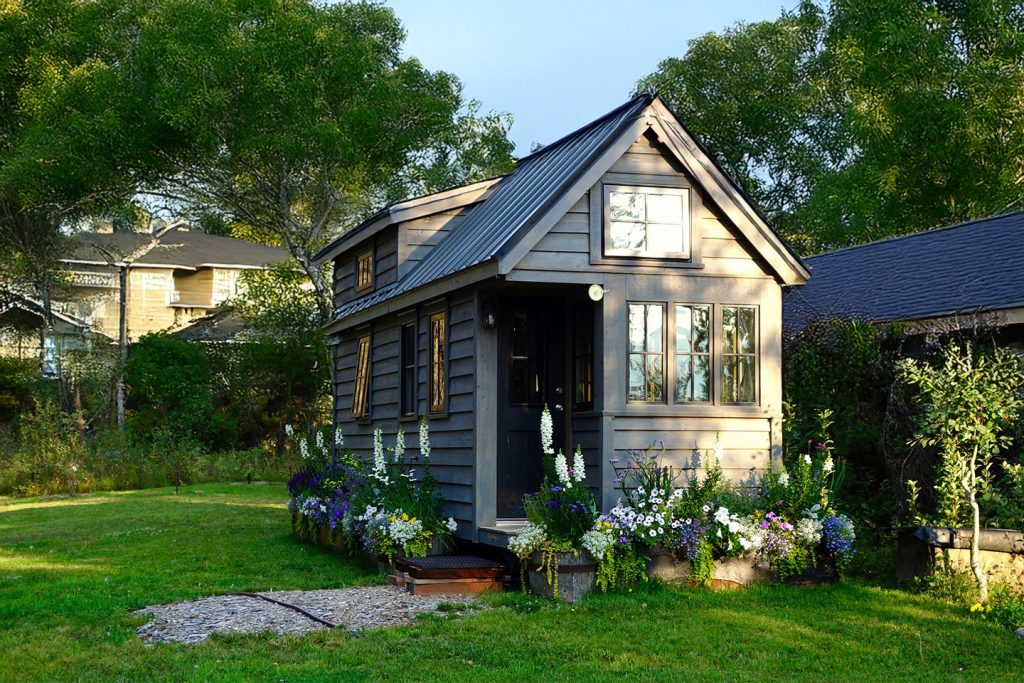
The tiny home movement has gained significant attention in recent years, challenging traditional ideas of what a home should be. As people become more conscious of their environmental impact, financial well-being, and desire for more freedom in their lives, tiny homes are becoming a solution that addresses many of the challenges facing modern housing. Here are three big reasons why tiny homes are revolutionizing housing trends and changing the way we live.
1. Affordability and Financial Freedom
Perhaps the most compelling reason tiny homes are revolutionizing housing trends is their affordability. With rising home prices and the burden of student loans and credit card debt, homeownership is increasingly out of reach for many people. Tiny homes, on the other hand, offer a more affordable option for those looking to own property without a hefty mortgage. While the average cost of a traditional home can range from several hundred thousand dollars to over a million in some cities, tiny homes generally cost between $30,000 and $60,000, making them accessible for more people.
Additionally, tiny home owners often benefit from lower utility bills, as these smaller homes require less energy to heat and cool. This allows people to save more money, which can be redirected into savings, investments, or living experiences. Tiny homes are helping individuals achieve financial freedom by reducing the high costs associated with larger homes and the lifestyle that often comes with them.
2. Sustainability and Eco-Friendly Living
As the world faces growing environmental challenges, sustainability is becoming an increasingly important factor in how we live. Tiny homes are naturally eco-friendly, thanks to their smaller footprint, reduced energy consumption, and less material waste in construction. Many tiny homes are built with environmentally friendly materials, energy-efficient appliances, and solar panels, allowing homeowners to live in a way that is much gentler on the planet.
With the focus on sustainable living, tiny homes help reduce carbon footprints by using fewer resources and producing less waste. The smaller space also encourages owners to be mindful of their consumption, whether it’s energy use, water, or material goods. By choosing a tiny home, individuals are taking a proactive step towards a greener, more sustainable future, and contributing to the global effort to combat climate change.
3. Freedom, Flexibility, and Mobility
Tiny homes offer a level of freedom and flexibility that traditional houses simply cannot. One of the key benefits of owning a tiny home is the ability to live a more mobile lifestyle. Many people choose to build or purchase tiny homes on wheels, allowing them to travel and live wherever they choose. Whether it’s living by the beach, in the mountains, or taking a road trip across the country, tiny homes enable individuals to experience life on their terms.
This mobility also makes tiny homes a popular option for those seeking a minimalist, nomadic lifestyle. The ability to easily relocate from one place to another without the hassle of selling or buying a house is a huge draw for many people. In addition, tiny homes can help people downsize their living situation while still maintaining a sense of independence and flexibility in their everyday lives.